

7 simple Tips on how to prevent microplastics during Laundry
Microplastic harms our environment. A large portion of it comes from wearing and Laundry of synthetic clothing. We explain exactly what microplastic is and how you can prevent microplastic during Laundry in the following post.
Here’s what you can do to avoid microplastics
- Wear clothing made from natural fibers
- Buy eco-friendly detergent
- Wash tough fabrics separately
- Lower the wash temperature
- Avoid the delicate wash cycle
- Skip the dryer
- Use a laundry bag
What is microplastic?
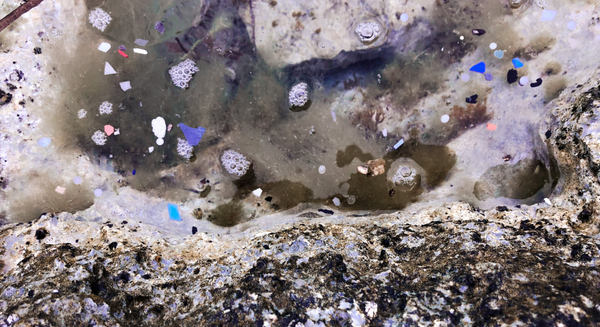
Microplastics are solid, water-insoluble plastic pieces smaller than 5 mm. They are barely visible to the naked eye and enter the environment via wastewater.
According to an EMPA-study* Over 5000 tons of plastic are released into the environment in Switzerland every year. The most important source of microplastic in waterways is Laundry and wear of synthetic fiber clothing, as well as cosmetics. An incredible 35 percent of the estimated 1.5 million tons of microplastic floating in our world's oceans come from synthetic fibers such as polyester, polyamide, acrylic, or elastane.
*The study was commissioned by the Federal Environment Agency in 2019. It examined the seven most commonly used plastics.
How does microplastic get into the washing machine?
During Laundry, friction causes microparticles to detach from our clothing, which then enter rivers and oceans through wastewater.
Detergents containing synthetic polymers also release microplastics. Powder detergents and fabric softeners promote fiber breakdown.
How you can avoid microplastic during Laundry
These are the factors you can pay attention to, to produce as little microplastic as possible from Laundry.
1. Opt for natural fibers

As already mentioned, synthetic textiles are the main cause of microplastic generated during Laundry. These include polyester, polyamide, or polyacrylic. The tag on your clothing tells you what material it is made of.
Avoid such fabrics if possible. Instead, choose textiles that are free of microplastics, such as
- Algae
- Cotton
- Hemp
- Lyocell
- Wool
Learn more about clothing made from wood fibers in ourarticle.
2. Choose an eco-friendly detergent
Many detergents contain microplastics and synthetic polymers. They are designed, among other things, to eliminate gray haze and prevent discoloration. The polymers are only partially biodegradable and therefore pose a problem.

It works without them too: Ourbluu Laundry Detergent Sheets are a readily biodegradable alternative, that contain no plastic.
Plus: The bluu strips are already pre-dosed, so overdosing is impossible.
Here you will learn in detail what our Laundry Detergent Sheets are made of.
3. Separate your textiles

When your clothes spin in the washing machine, microplastic fibers come loose due to friction.Hard items and textiles cause increased friction. So make sure not to wash these with synthetic clothing, and wash them separately:
- Sneakers
- Shin guards
- Outdoor jackets
- Jeans
Washing nuts also cause more abrasion, so use them carefully.
4. Lower the wash temperature
High temperatures cause faster fiber breakdown in your clothes. And let’s be honest: it’s long outdated that you have to wash everything at 60 degrees to get it really clean.
Generally, normally soiled laundry gets clean at 30 to 40 degrees. At least, if you use thebluu Laundry Detergent Sheets ;-)
5. Avoid the delicate wash cycle
The delicate wash cycle is bad for the environment for two reasons:
The delicate wash cycle uses 1) significantly more water and 2) flushes more fibers out of your clothes, especially polyester.
So skip it if possible.
6. Skip the dryer

The dryer also damages your clothes and leads to increased fiber breakdown. Dryers typically remove moisture from laundry and collect the water in a container. When emptied, the microplastic particles enter the wastewater.
Here’s how you can catch microplastics
7. Use a laundry bag

When you wash clothing made from synthetic fibers, microplastic abrasion cannot be avoided entirely. You can however catch it, for example using a Laundry bag. To use it, place your clothing inside the bag before Laundry, and wash your load as you normally would. The fine-mesh bag design catches the tiny microplastic particles, which you can then remove with a brush and dispose of properly.
A GUPPYFRIEND laundry bag is available from CHF 34.90.
Learn more about Sustainability and Laundry on our blog.


